Electric Plug in Nepal for Travellers: Complete Adapter and Voltage Guide
Published On : 28th Aug, 2025 By Himalayan Dream Team
Introduction
When planning a trip to Nepal, many travellers focus on trekking routes, cultural experiences, and local cuisine, but one often-overlooked detail can cause big headaches electric plugs and adapters. Whether you’re hiking in the Himalayas on adventures like the Everest Base Camp Trek, Annapurna Base Camp Trek, Manaslu Circuit Trek and Upper Mustang Trek exploring temples in Kathmandu, or working remotely from Pokhara, keeping your phone, camera, and laptop charged is essential.
The electric plug in Nepal is not the same as in many Western countries, which means travellers often need to bring an adapter or voltage converter. Using the wrong plug or voltage can damage your devices—or leave you without power during your adventure.
This guide provides a complete overview of electric plugs, sockets, voltage, adapters, and charging tips in Nepal to make your travel experience stress-free.
What Electric Plug Types Are Used in Nepal?
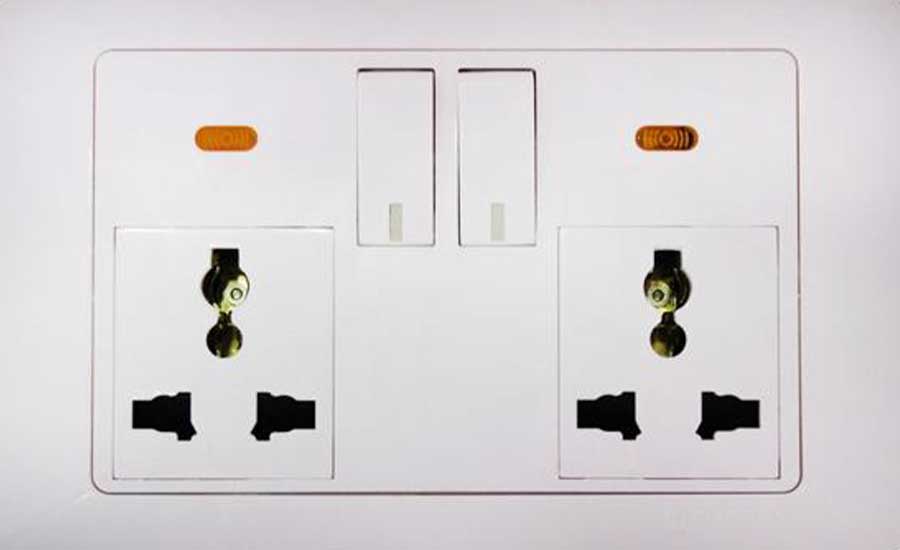
In Nepal, the most common plug types are:
-
Type C – Known as the Europlug, with two round pins.
-
Type D – A three-round-pin plug, widely used in South Asia.
-
Type M – Similar to Type D but with larger pins, often used for high-power devices.
Most hotels, restaurants, and hostels in Nepal provide sockets compatible with Type C and Type D, but you may occasionally find Type M sockets in older buildings.
👉 Travel Tip: Bring a universal travel adapter that covers all three types to ensure compatibility.
Electricity Voltage and Frequency in Nepal
-
Voltage: 230V
-
Frequency: 50 Hz
This is the same as in Europe, Asia, and Africa, but different from North America (110V, 60Hz).
What Does This Mean for Travellers?
-
If your device is rated for 100–240V, 50/60Hz (check the label on chargers), you can use it safely with just a plug adapter.
-
If your device only supports 110V (common in older American appliances), you will need a voltage converter.
👉 Modern electronics like laptops, cameras, and phone chargers usually support dual voltage (100–240V), so you only need an adapter, not a converter.
Do You Need a Power Adapter in Nepal?
The answer depends on your home country:
-
No Adapter Needed: If you’re from most of Europe, India, or other Asian countries, you can usually plug directly into Nepali sockets.
-
Adapter Needed: Travellers from the USA, Canada, UK, Australia, and Japan will need a plug adapter.
A universal travel adapter is highly recommended because it covers multiple plug types and often includes USB ports for charging multiple devices at once.
Power Outages and Electricity Reliability in Nepal
Nepal has made major improvements in electricity supply, but power cuts (load-shedding) can still occur, especially outside major cities.
What Travellers Should Expect:
-
Kathmandu & Pokhara – Reliable power most of the time, with rare short outages.
-
Rural Areas & Trekking Routes – Frequent outages, limited sockets, and sometimes solar charging only.
👉 Travel Tip: Carry a power bank (10,000–20,000 mAh) for trekking or rural stays. Some lodges charge extra for device charging in remote areas.
Charging Devices in Nepal
Phones & Cameras
-
Standard smartphone chargers work with a plug adapter.
-
Camera batteries can be charged in hotels, but it’s wise to carry an extra battery during treks.
Laptops
-
Most laptops support 100–240V, so they’ll work fine with an adapter.
-
Avoid plugging into unstable sockets in rural areas—use a surge protector if possible.
Other Electronics
-
Hairdryers and curling irons often require high wattage—check if they support dual voltage before using in Nepal.
-
If not, you risk burning out the device.
Where to Buy Adapters in Nepal
If you forget to bring one, don’t worry—you can buy adapters in:
-
Kathmandu – Thamel area has many electronic shops.
-
Pokhara – Lakeside area sells universal adapters and chargers.
-
Airports – Expensive but available.
Prices range from NPR 200–600 ($2–5).
Safety Tips for Using Electric Plugs in Nepal
-
Check Voltage First – Always confirm your device supports 230V.
-
Use Surge Protectors – Power fluctuations can damage electronics.
-
Avoid Overloading – Many hotels have limited sockets—don’t plug in too many devices.
-
Use Quality Adapters – Cheap ones may break or overheat.
-
Be Cautious in Rural Areas – Some sockets may be old or loosely wired.
Eco-Friendly Charging in Nepal
With Nepal’s growing focus on sustainable tourism, many travellers use solar chargers and portable solar panels during trekking. These work well in high-altitude regions with plenty of sunlight.
👉 A solar power bank is an excellent option for eco-conscious travellers.
Conclusion: Stay Charged and Travel Smart
The electric plug in Nepal may not match your home country’s standard, but with a little preparation, you’ll have no trouble keeping your devices powered.
-
Plug Types: Mainly C, D, and M.
-
Voltage: 230V, 50Hz.
-
Adapter: Bring a universal travel adapter with USB ports.
-
Travel Tip: Carry a power bank or solar charger for treks and rural areas.
By planning ahead, you can avoid travel disruptions and focus on enjoying Nepal’s breathtaking mountains, rich culture, and warm hospitality.
So before you pack your bags, don’t forget to pack your adapter—your camera, phone, and laptop will thank you when you’re capturing the sunrise over the Himalayas!
Recent Posts
20th Apr, 2026

12th Apr, 2026
9th Apr, 2026

31st Mar, 2026
27th Mar, 2026

27th Mar, 2026

24th Mar, 2026

23rd Mar, 2026

9th Feb, 2026